Alternative Histories & Hidden Knowledge
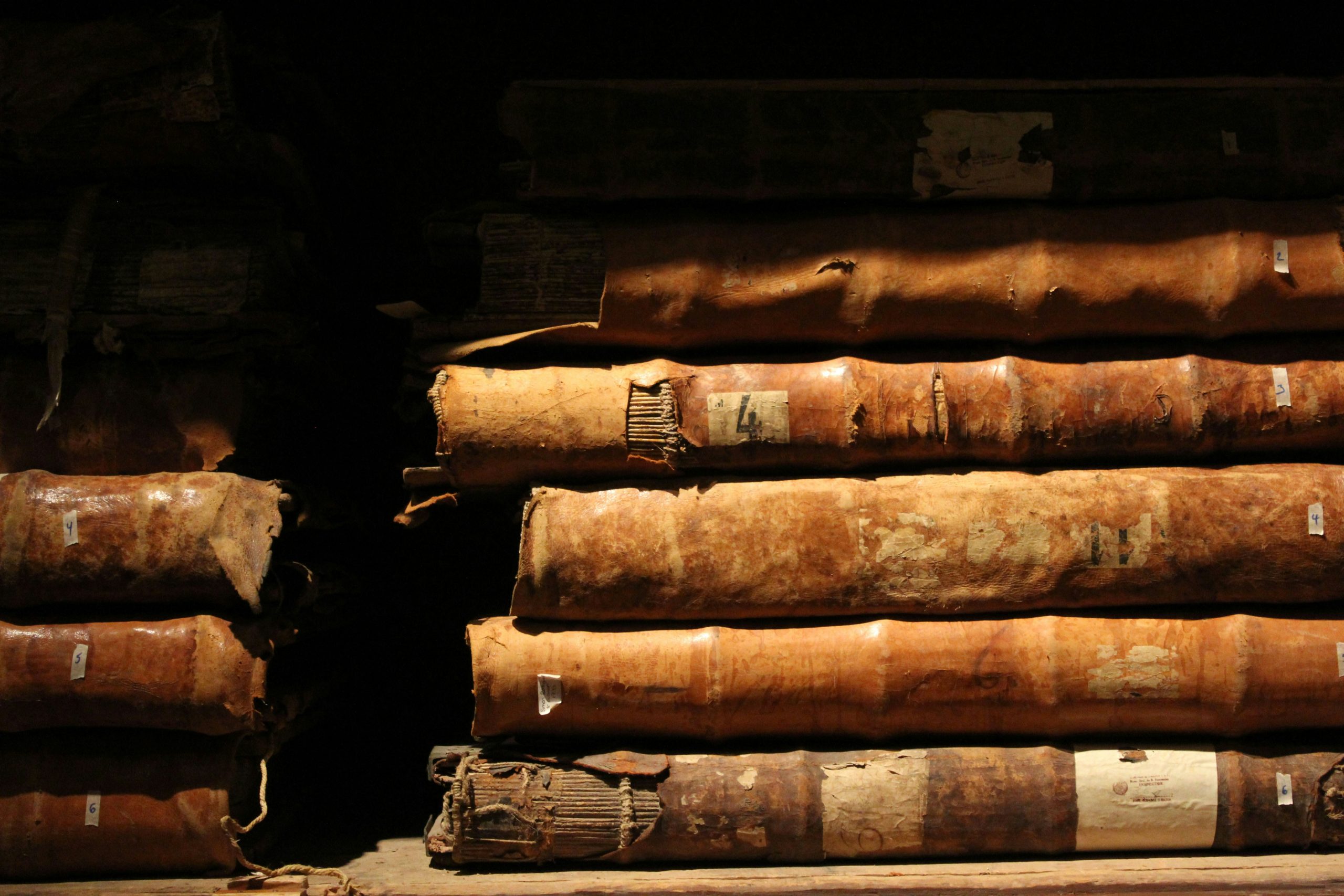
A journey through lesser-known narratives and suppressed truths, challenging conventional understandings of our past. These resources have opened my eyes to the vast tapestry of human history and the knowledge often left in the shadows.
This section is for the seekers — for those who sense there’s more to our history than we’ve been told, more to our purpose than modern life remembers. I’ve found such joy and wonder in exploring these topics — not for answers, but for deeper questions. Questions that awaken awe, stretch the mind, and reconnect us to something timeless.
This is the space where curiosity meets the cosmos, and forgotten truths begin to whisper their way back to the surface.
Books
Books have been portals — opening my eyes to versions of history, science, and spirituality that challenge what we think we know. Each one invites us to see the past through a new lens, to question, and to remember truths long buried. These are some that have sparked awe, curiosity, and deep remembrance.
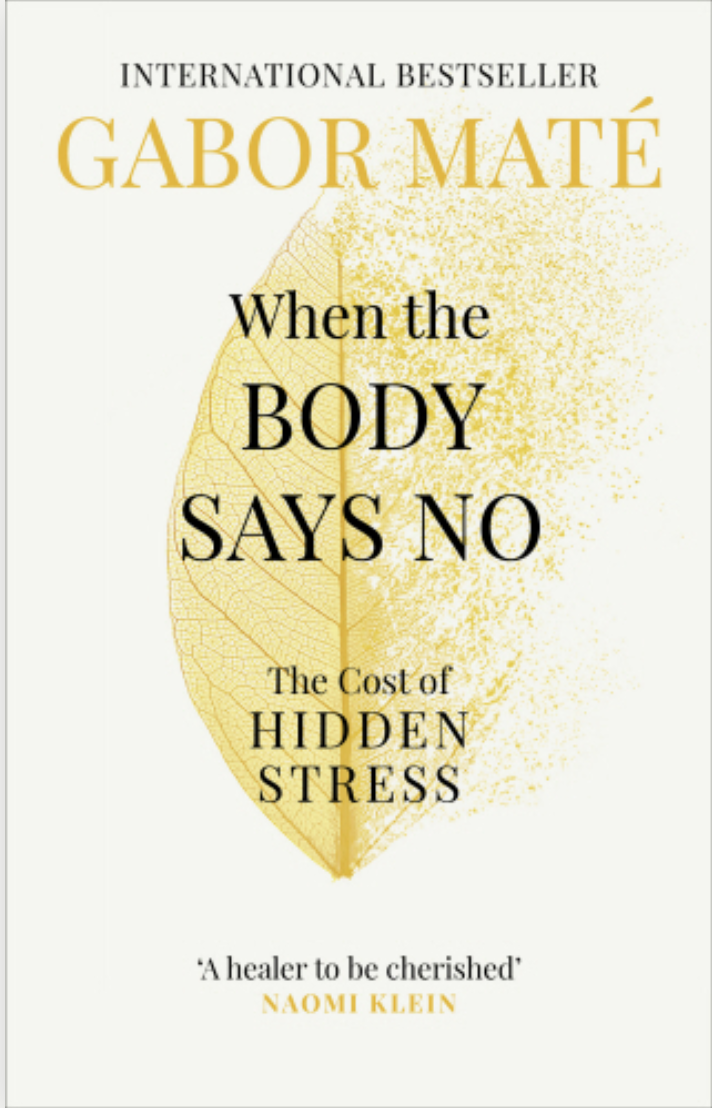
This book made me pause — deeply. With such care and clarity, Dr. Gabor Maté explores something many of us intuitively feel but struggle to articulate: that our bodies often carry the weight of unspoken emotions. Through heartfelt stories and years of medical insight, he gently asks powerful questions — like whether loneliness can affect our health, or if suppressing emotions might play a part in illness.
Reading this felt like being given permission to look inward with compassion, not blame. It was like holding up a mirror to parts of myself I hadn’t fully acknowledged. It helped me understand how stress, people-pleasing, and emotional repression may quietly shape our wellbeing and how they have played out in my own life. What I especially loved were his “Seven A’s of Healing” — a kind, hopeful framework for finding our way back to ourselves. This book doesn’t offer a quick fix, but it does offer truth, understanding, and a softer way to start listening when our bodies speak.
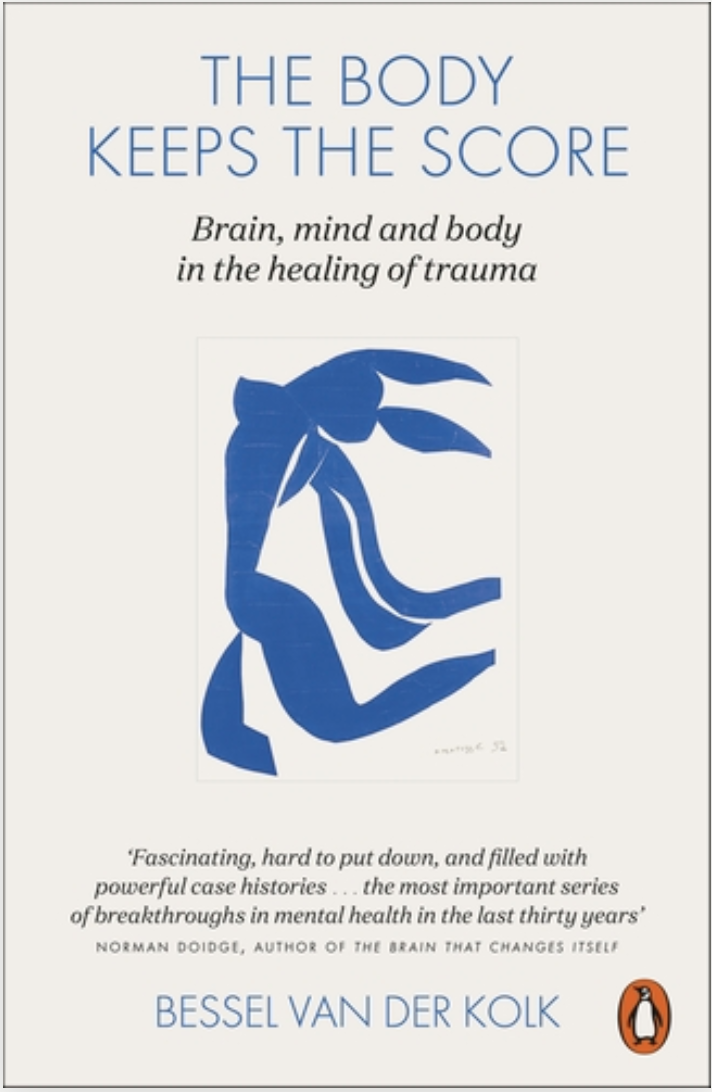
This book is often called the “trauma Bible” — and honestly, I can see why. It is one of those life-changing books that gently — and sometimes uncomfortably — opens our eyes to the deep imprint trauma leaves on the body and mind. Through years of clinical experience, research, and heartfelt storytelling, van der Kolk shows us that trauma isn’t something that simply happens in the past — it lives in our nervous system, shapes our relationships, and often drives our behaviours in ways we may not realise.
Reading this book helped me see how unprocessed pain can linger silently beneath the surface — not just emotionally, but physically — and how healing requires more than just talk. It asks for connection, safety, and a reconnection with the body itself. If you’ve ever wondered why certain patterns persist, or why healing feels just out of reach, this book offers hope, science, and a deeply human path forward.
conversations
I’ve spent countless hours listening to explorers, mystics, and scholars who speak about forgotten civilizations, sacred technologies, and cosmic origins. These talks don’t just inform — they awaken something ancient within. Perfect for long walks, quiet nights, or moments of wonder.
In this powerful talk, Dr. Gabor Maté gently but boldly redefines trauma — not as the event itself, but what happens inside us as a result. With deep compassion, he shares how childhood wounds, emotional repression, and disconnection from self are often at the root of anxiety, addiction, and illness. This isn’t just about healing pain — it’s about coming home to ourselves.
"We don't respond to the present moment. We respond to the past."-Gabor Maté
Step Inside the Circle moved me deeply. Watching it revealed just how profoundly childhood trauma can shape a life — and how behind every hardened exterior is often a wounded child. This powerful short film invites us to see those in prison not as broken or evil, but as human beings shaped by pain. It reminded me that no one is born violent — and that healing begins with understanding and compassion.
teachings
These teachings are like breadcrumbs on a vast, mysterious path. Some come from ancient texts, others from modern voices interpreting the old ways — all of them ask us to stay open, humble, and curious. If you’re drawn to the unseen and the unexplained, you’ll feel at home here.
In this poignant talk, filmmaker Almudena Toral brings to light the unseen psychological scars left by trauma. Through the story of Adayanci Pérez, a six-year-old girl from Guatemala who suffered severe trauma after being separated from her father at the U.S. border, Toral emphasises the power of storytelling in healing. Her work is a heartfelt call to recognise and address the deep wounds caused by policies that dehumanise, urging us to listen, empathise, and advocate for change.
Dr. Gabor Maté’s keynote at Scotland’s ACEs to Assets Conference was a profound turning point in my understanding of trauma. It was the first time I encountered the term Adverse Childhood Experiences (ACEs), and it felt like a light switched on. Suddenly, the patterns of addiction, anxiety, and disconnection I’d witnessed in others—and felt within myself—made sense.
Maté’s message was clear and compassionate: trauma isn’t just what happens to us, but what happens inside us when we’re left alone with pain. He showed how early emotional wounds can shape our entire lives, and how healing begins when we reconnect with our true selves.
This talk reminded me that no one is born broken. We all carry stories, and with awareness and compassion, we can begin to rewrite them.